Introduction
Creating a beautifully designed home is often seen as an art form that combines various elements into a cohesive whole. When it comes to Finding Balance in Design Elements: The Key to Harmonious Home Decor, the nuances of color, texture, and personal expression converge to create inviting spaces. This article delves deep into the intricacies of home decor, exploring how the balance of design elements can lead to harmonious and aesthetically pleasing environments.
Why Balance Matters in Home Decor
Balance in design is not just about symmetry; it’s about achieving harmony between various elements. When elements like color, texture, and layout are balanced, they create a sense of peace and tranquility within a space. This harmony invites occupants to engage with their surroundings more profoundly, turning mere rooms into personal sanctuaries.
Finding Balance in Design Elements: The Key to Harmonious Home Decor
Understanding Design Elements
Design elements refer to the fundamental components that come together to create any interior space. These include:
- Color: The palette chosen sets the mood. Texture: Different materials contribute depth. Form: The shape of furniture and decor affects flow. Space: How objects are arranged impacts usability.
By carefully considering these elements, one can achieve the desired ambiance.
The Role of Color Psychology
Color plays a crucial role in mood creation within spaces. For example:
- Warm Colors: Reds, oranges, and yellows evoke energy. Cool Colors: Blues and greens promote calmness. Neutrals: Grays and whites offer versatility.
How Color Affects Mood
When curating your interior decor inspiration, consider how certain colors make you feel. A well-balanced color palette invites emotional responses that enhance your living experience.
Combining Colors and Textures for Depth
The interplay between color and texture is vital for creating depth in your decor. Consider mixing materials such as:
Wood: Adds warmth. Metal: Provides sleekness. Fabric: Introduces softness.Tips for Mixing Textures
To successfully combine textures:
- Choose a dominant texture. Use contrasting textures for accents. Maintain a consistent color scheme.
Wall Art Placement: Finding Your Perfect Spot
Art serves as both self-expression through decor and visual storytelling in design. Proper wall art placement can elevate your décor dramatically.
Guidelines for Wall Art Placement
Eye Level: Hang art at eye level for maximum impact. Grouping: Create clusters for larger walls. Balance: Pair large pieces with smaller ones.Creating Inviting Spaces with Lighting
Lighting transforms an ordinary room into an extraordinary space. Different types of lighting can create varying moods:
Ambient Lighting: General illumination for comfort. Task Lighting: Focused light for activities like reading or cooking. Accent Lighting: Highlights particular features or artworks.Layering Light Sources
Layering different types of lighting adds depth while ensuring functionality throughout your home.
Reflection Through Interiors: Personalizing Your Space
Your home should be a reflection of your identity exploration through art and life experiences.
Art as Self-Portrait Photography
Incorporating personal photography or artwork can serve as a powerful reminder of who you are and what you cherish most.
Visual Storytelling in Design
Every room tells a story through its design choices—from the colors on http://mindchronicles027.yousher.com/discovering-inspiration-in-aesthetic-gallery-walls the walls to the arrangement of furniture.
Crafting Stories with Decor Themes
Using themes can provide clarity to your design narrative:
Modern Minimalism: Clean lines, neutral colors focusing on simplicity. Bohemian Chic: Layers of textiles and vibrant colors reflecting creativity. Traditional Elegance: Classic furnishings with rich fabrics showcasing history.Curating Your Personal Sanctuary
A personal sanctuary is more than just a cozy spot; it's where you find peace amidst chaos.
Creating Zones Within Your Space
Consider dividing areas into zones dedicated to specific activities:
- Reading nook Meditation area Creative corner
Each zone should reflect its purpose while maintaining overall balance within the home’s design framework.
Balancing Modern and Traditional Styles
Combining modern and traditional styles creates an eclectic yet harmonious look when executed correctly.
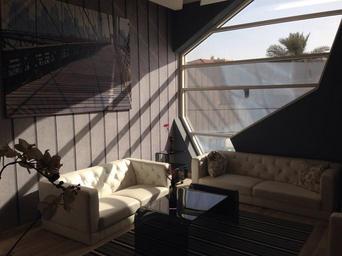
Key Points for Style Integration
Identify focal points from both styles. Use common colors across both aesthetics. Allow each style its moment while finding complementary ways they work together.Artistic Home Decor: Enhancing Expression
Integrating artistic elements can help elevate your home decor beyond mere functionality—transforming it into an expressive canvas that embodies who you are.
Incorporating Various Art Forms
Consider including diverse forms such as:
- Abstract self-portrait photography Contemplative photography Sculptures or installations
These artistic touches add character while offering insight into your personal journey or identity exploration through art.
Mood Creation in Spaces
Mood creation relies heavily on every aspect of design—from color choices to furniture arrangement—creating a feeling that resonates with inhabitants or visitors alike.
Techniques for Designing Moods
Implement these techniques:
Use warm lighting for coziness. Incorporate soft textiles for comfort. Select calming hues for relaxation areas like bedrooms or reading nooks.FAQs
Q1: How do I choose the right color palette?
A1: Start by identifying colors that resonate with you emotionally, then explore how these colors work together using online tools or physical samples before finalizing your palette.
Q2: Can I mix different design styles?
A2: Absolutely! Mixing styles can create unique spaces; ensure there's some commonality such as color or material to maintain balance throughout the design process.

Q3: What kind of lighting is best for small spaces?
A3: Opt for layered lighting solutions combining ambient lighting with mirrors to reflect light—this creates an illusion of space without overcrowding it visually!
Q4: How do I incorporate my personality into my decor?

Q5: What’s the best way to arrange furniture?
A5: Prioritize conversation-friendly layouts by grouping seating around a central point (like coffee tables) while allowing enough space for movement throughout the room!
Q6: How often should I change my decor?
A6: There’s no set rule! However, refreshing decor seasonally allows you both flexibility & creativity without committing too much time or resources at once!
Conclusion
In conclusion, achieving harmony through thoughtful consideration of various design elements is crucial in crafting inviting spaces reflective of our identities—the essence encapsulated by Finding Balance in Design Elements: The Key to Harmonious Home Decor. By integrating aspects like color psychology, texture combinations, wall art placements, and personalized artistic expressions into our homes’ designs while balancing modernity with tradition; we cultivate not only beautiful but also deeply meaningful environments that foster well-being & self-reflection! Embrace this journey towards creating harmonious sanctuaries imbued with personality—allowing every element within them serve its purpose whilst contributing towards an overall sense of peace & joy!